
How thoughtful planning creates opportunities for connection
When you’re organizing a conference, it’s easy to spend most of your time thinking about the agenda. Who will be speaking? What topics need to be covered? How much time should each session take? Where will everyone sit, and how will the day flow from one activity to the next?
Those details matter, of course. People are giving up their time to attend, and you want them to leave having learned something useful. But there’s another part of the experience that deserves just as much thought: the opportunities people have to connect with one another.
We’re sponsoring SmallBizRIOT in Moncton this week, and when I first looked at the agenda, my initial impression was that it was a pretty full day. There is a lot happening, with several sessions and plenty of information for attendees to take in. But when the organizer asked me my opinion, he explained something I really appreciated about how the day had been structured.
After each set of speakers, there is time for discussion at the tables, and there are several table changes throughout the day. That means attendees won’t spend the entire event sitting with the same people. They’ll have opportunities to share their thoughts with different participants, hear other perspectives, and start conversations they might not otherwise have had.
It’s a relatively simple planning decision, but one that can make a meaningful difference to the experience.
And it got me thinking about how often we focus on what happens at the front of the room without giving the same consideration to what happens around the tables.
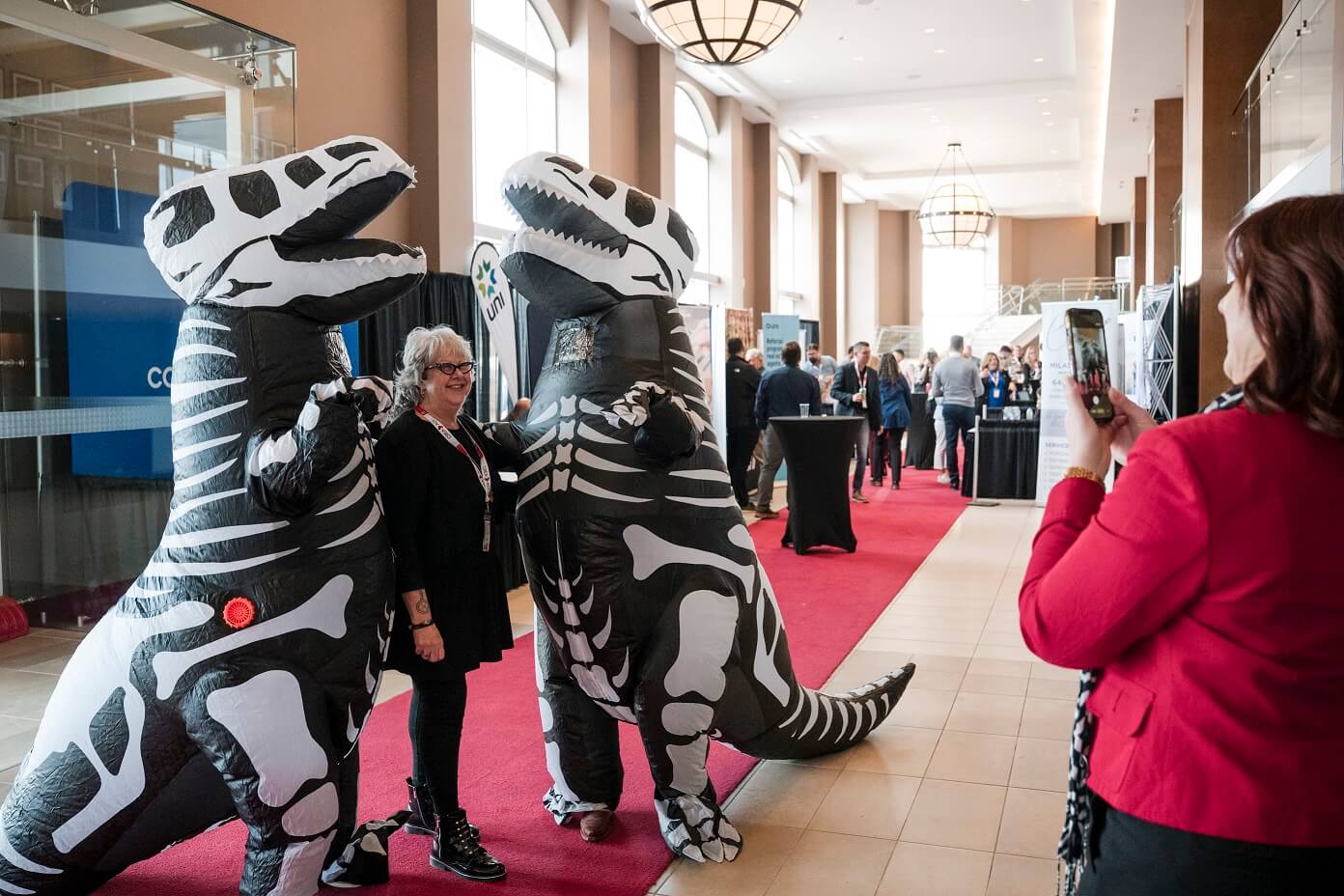
A great agenda delivers information. A great experience creates connection.
The speakers and sessions are often what convince someone to register for a conference. People want to learn something new, hear from experts, discover ideas they can bring back to their organizations, and find solutions to the challenges they’re facing.
But the value of attending doesn’t necessarily end when a speaker finishes or the next session begins.
Sometimes it’s the conversation with the person sitting beside you that helps you see a problem differently. It’s hearing how another business owner approached a similar challenge, meeting someone who understands what you’re working toward, or discovering that the person across the table has experience or connections that could help you move an idea forward.
These moments aren’t always written into the agenda as formal activities, but that doesn’t make them any less valuable.
For business owners, association leaders, managers and HR professionals, the opportunity to build relationships with people outside their usual circles can be just as important as the information they came to hear. Those relationships may lead to future collaborations, referrals, new ideas or simply the reassurance that they’re not the only ones working through a particular challenge.
That’s one of the reasons I believe we need to think beyond the agenda when planning corporate events and conferences. What do we want people to learn? Absolutely. But who do we want them to meet, what conversations do we want to make possible, and how can we create an environment where those conversations happen naturally?
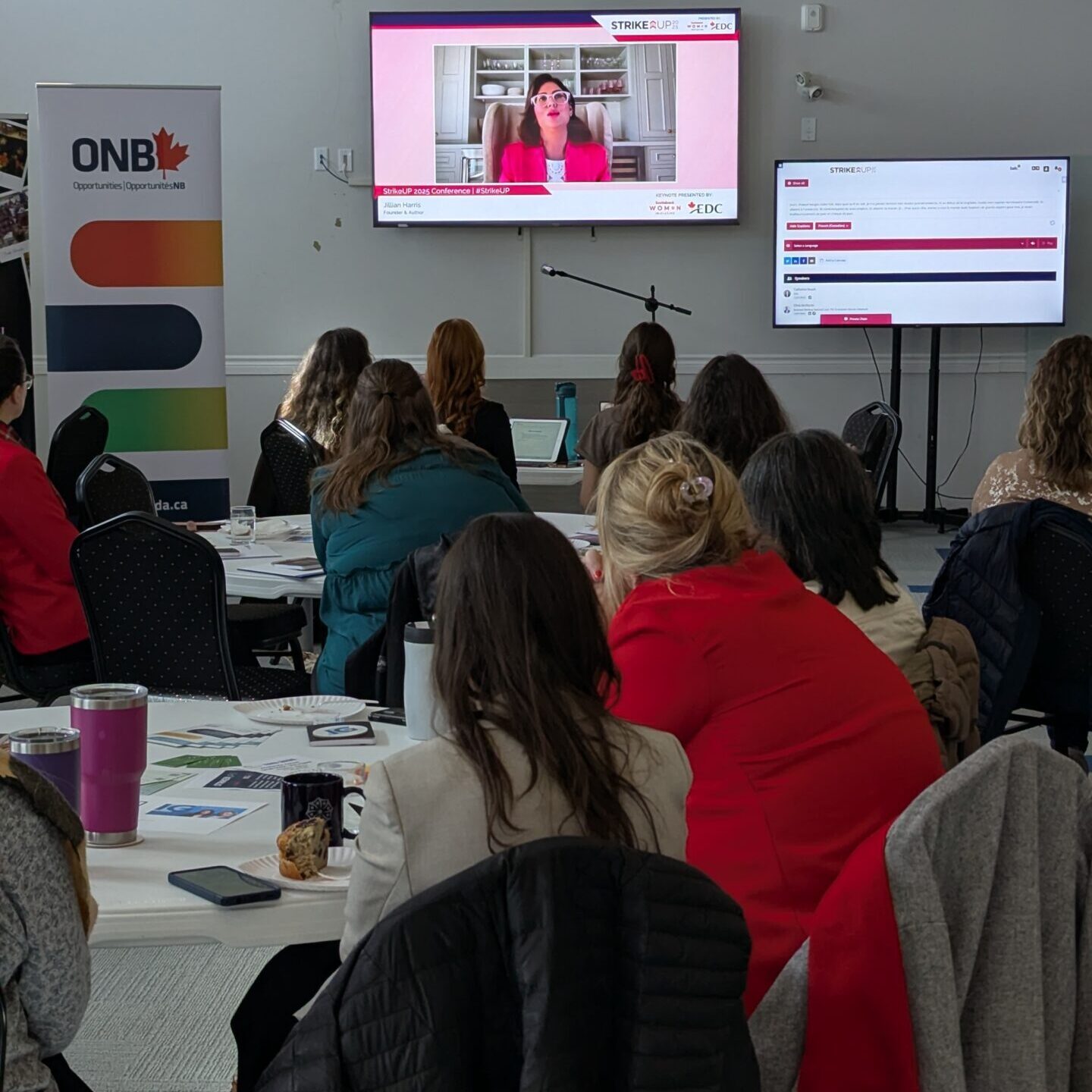
Connection doesn’t happen by accident
Putting people in the same room doesn’t automatically mean they’ll connect.
We’ve all attended events where the schedule moves from one presentation to the next, with barely enough time to grab a coffee, check a message or find the washroom before everyone is expected to be seated again. The agenda might look efficient, and the speakers might be excellent, but attendees can leave without having spoken to anyone new.
That doesn’t mean every conference needs elaborate networking activities or long, unstructured breaks. It means the time available needs to be used intentionally, with the audience and the purpose of the event in mind.
There are several ways to approach this.
Build discussion into the schedule. If the goal is to encourage people to exchange ideas, allow time for them to do so. A question for table discussions, a chance to reflect on a presentation, or an opportunity to share experiences can help attendees move from listening to participating.
Think about who is sitting together. Keeping people in the same seats all day can be perfectly appropriate for some events. At others, changing tables or creating opportunities to meet different participants can help people move beyond their familiar circles. The right approach depends on the audience, the objectives and the kind of conversations you want to encourage.
Make the physical environment work for you. Room layouts, seating arrangements, break areas and the flow between sessions all influence how comfortable people feel interacting with one another. If conversation is part of the intended experience, the environment should support it rather than make it difficult.
Leave room for the unexpected. Not every valuable conversation can be scheduled. Allowing a little breathing room between activities gives people time to continue a discussion, ask a speaker a follow-up question or connect with someone they have just met. A schedule that fills every available minute may leave little opportunity for these moments to happen.
None of these decisions has to be complicated or expensive. What matters is that they’re made deliberately, rather than left until the last minute.
Start with the outcome, then build the agenda
When planning a corporate conference, leadership retreat, employee gathering or client event, I encourage organizations to look beyond the list of activities they want to include and consider what they hope the experience will accomplish.
If you’re bringing employees together, is the goal to help colleagues who work remotely feel more connected? Are you trying to encourage collaboration between departments that don’t often work together? Perhaps you’re recognizing your team after a demanding year and want people to feel appreciated, rather than simply attending another function on their calendar.
For a business conference, the goal might be to help participants exchange knowledge, strengthen professional relationships or discover opportunities to work together. For an association, it might be about making members feel part of a community that offers value beyond the formal program.
Once you understand the desired outcome, you can make better decisions about the agenda, the room setup, the activities, the timing and the overall experience.
This is where thoughtful corporate event planning makes a difference. It’s not just about fitting everything into the allotted time or ensuring that every supplier knows where to be. It’s about making sure the individual pieces work together to support the reason you’re bringing people together in the first place.
A well-designed event respects people’s time, gives them something useful to take away, and creates opportunities for meaningful interactions along the way.
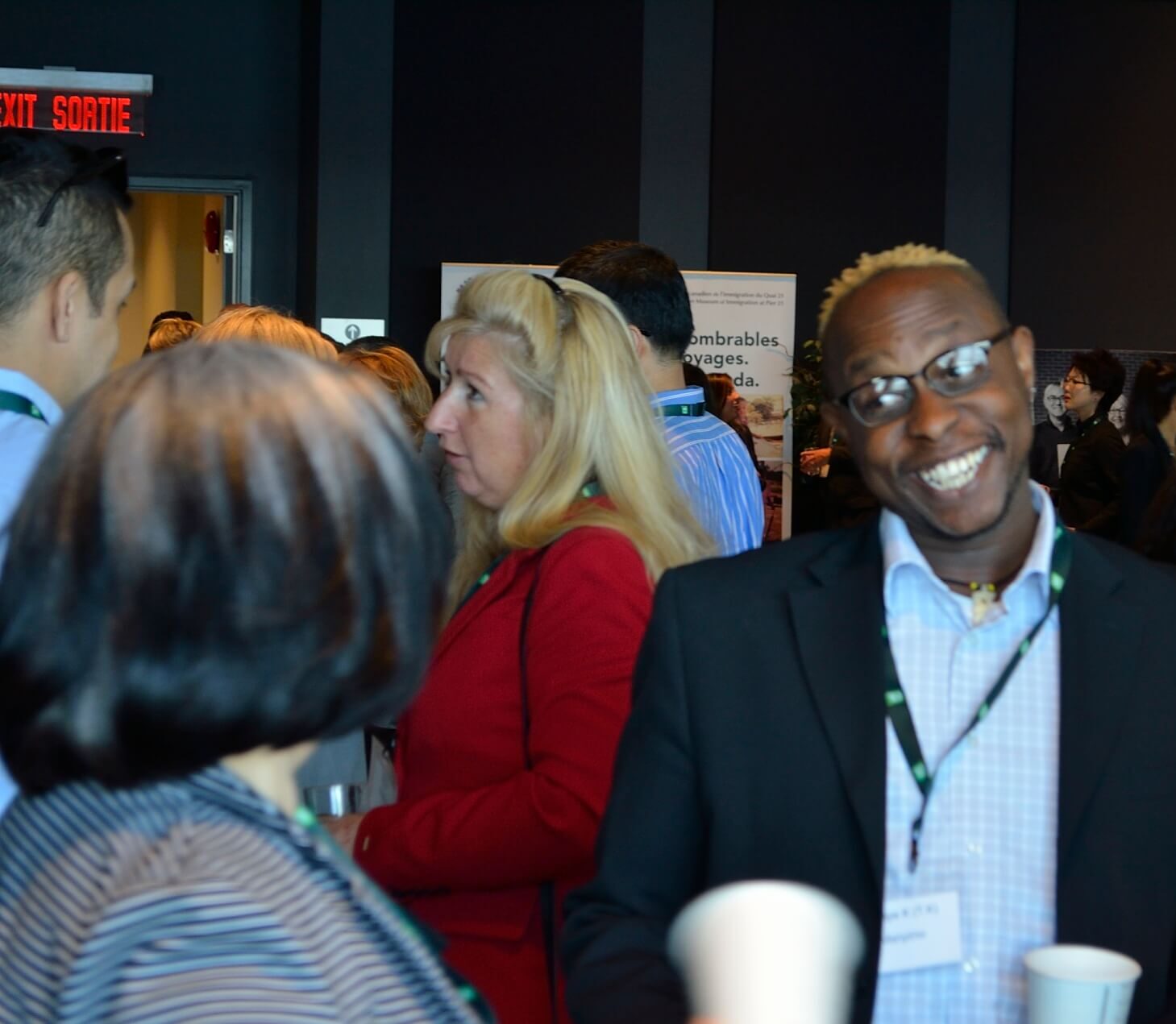
The real value of bringing people together
As an event planner, I love seeing an event come together, from the first conversations about what an organization wants to accomplish through to the moment people arrive and begin engaging with the experience.
But the measure of success isn’t simply whether everything ran according to schedule. It’s also whether the event delivered on its purpose and gave people a reason to remember it.
We won’t know until SmallBizRIOT takes place what conversations will happen around those tables or which connections might continue long after Thursday. That’s part of what makes bringing people together so worthwhile. You can plan the environment, create opportunities and encourage participation, but you can’t script every meaningful moment.
What you can do is give those moments room to happen.
If you’re planning a corporate conference, leadership retreat, employee gathering or client event, it’s worth asking yourself one question: when your attendees leave, what do you want them to have gained beyond the information they heard?
The answer can help shape everything that follows.
At Amber Effect Events, we work with organizations to plan thoughtful, tailored corporate events that bring people together, strengthen relationships and support the goals behind the gathering. From developing the event plan and coordinating suppliers to managing the details on the day, we help you create an experience that works for your organization and the people attending.
Planning an event for the coming months or looking ahead to 2027?
Let’s talk about what you want to accomplish, who you want to bring together, and how we can create an event that makes the time worthwhile.
Even if you only have a hunch that you’d like to bring people together, that’s a good time to reach out. The earlier we start talking, the more opportunity we have to co-create the experience, define the desired outcomes, and make thoughtful decisions about the budget, timeline and details. Larger corporate events can take 9 to 16 months to plan well, so if you’re considering a conference, leadership retreat or other major event for 2027, let’s talk now. Together, we can turn that initial idea into an experience that makes the time worthwhile for everyone involved.
Recent Comments